All Activity
- Past hour
-
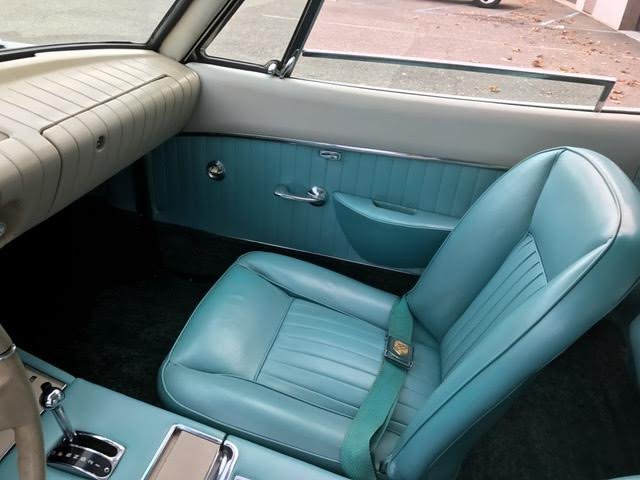
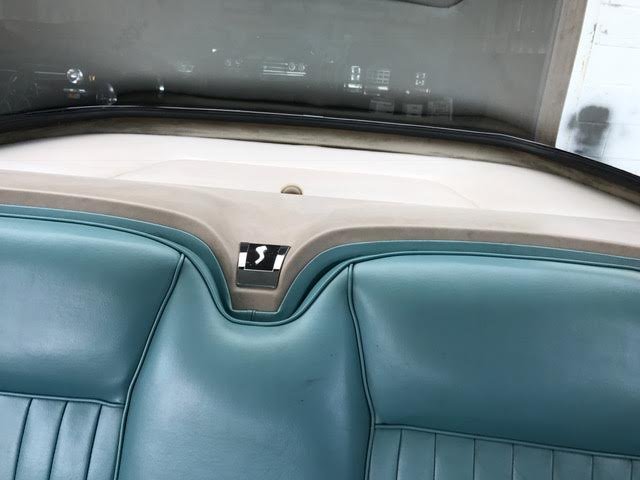
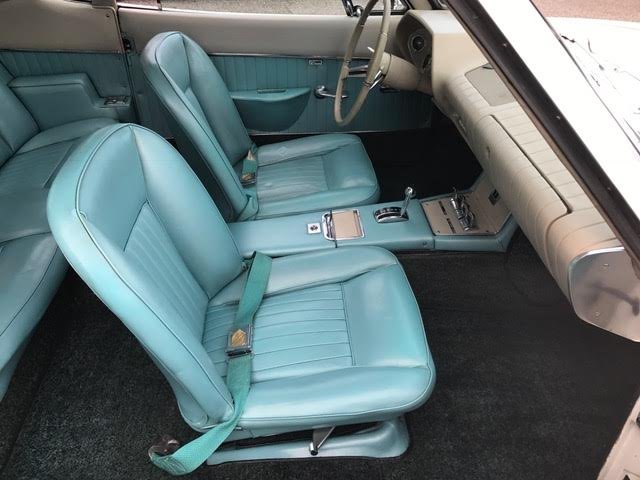
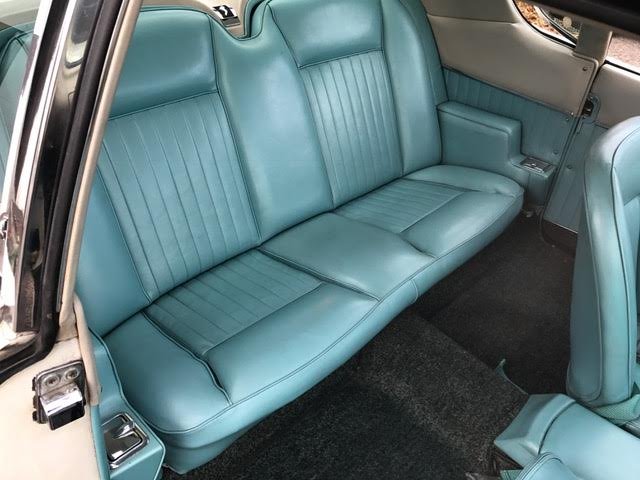
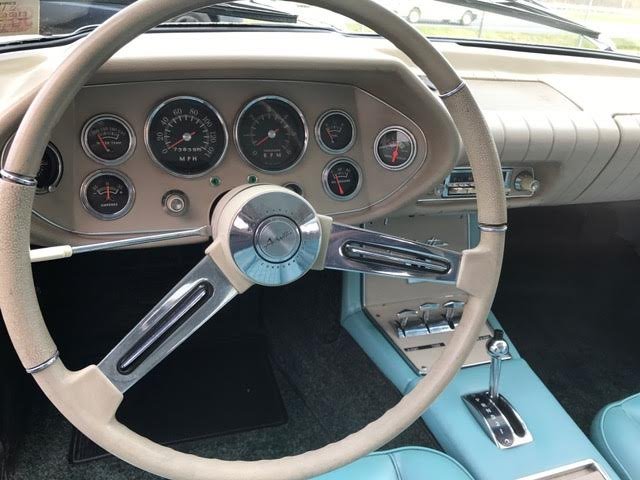
Always really liked the turquoise & fawn!
-
Ard, if you wanted to go in the other direction, 1951 or 1952 Studebaker front spindles would work fine….I guess you could say those weren’t ‘dropped’ spindles, they were ‘upd’ spindles!!
- Today
-
Sorry not 3 Dwight……(I skipped to the 1954 wheelcover to rule out the 1953 mid year change when the ‘tri-bars’ were eliminated)
-
Interesting. I have a friend who's Business is Stock Car Suspensions.. I'm sure He can come up with a solution.
-
When I purchased my 1976 Avanti II the attachments for the front seat belts were completely missing. The carpet has been recently replaced and I suspect the PO just forgot to reinstall the floor mounted attachments for the front belts. That was likely 3-4 PO ago.....The inertial reels are in place in the rear seat side area as are the attaching points on the door pillar. I purchased some new 1976 Camaro belts, but I dont think they will attach quite correctly. Does anyone have photos of where the seat belt attaching points are in the front and what they look like?? Is there some GM model that has better seat belt attaching style and fitment? I can't figure where the attaching point is on the outer side near the door jam. I see he inner side hole is there but is 90 degrees off of the GM attaching point. Do you need a 90 degree adapter? Any idea of the hole thread size/bolt sizes? Help!
-
Good question! I’ll will try. im afraid it is osmosis a chemical reaction. We will see.
-
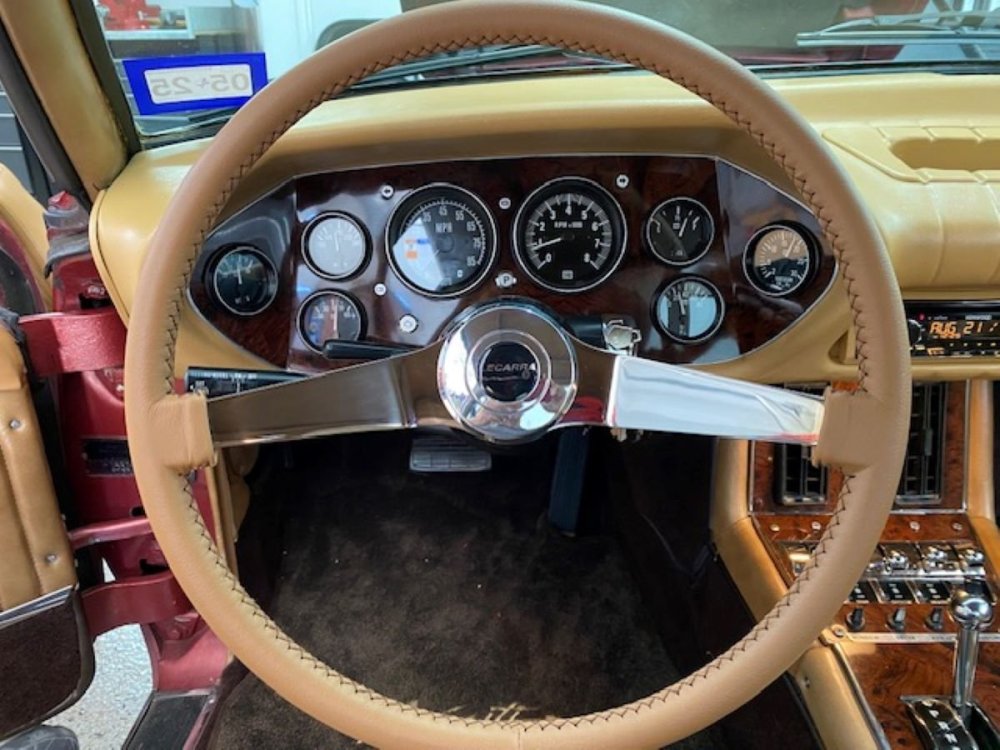
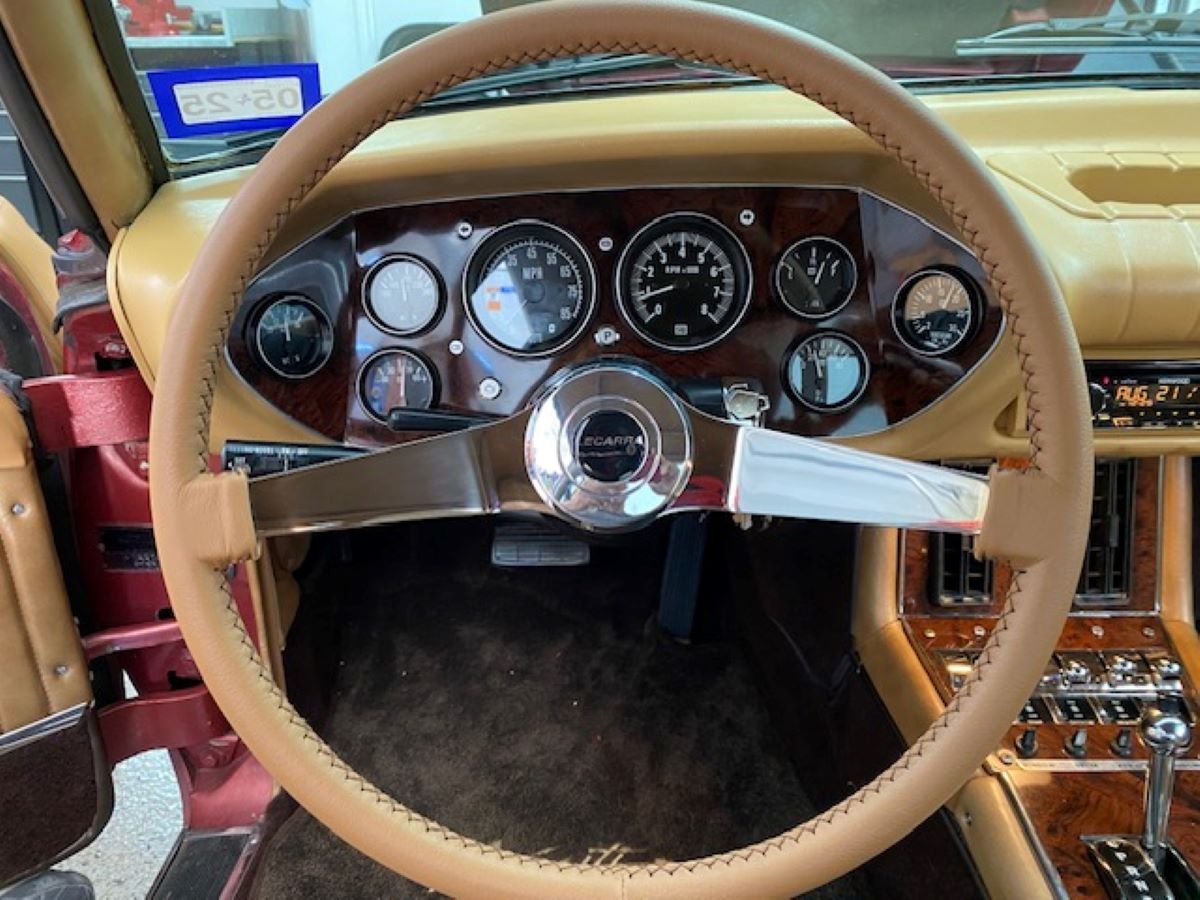
DobbM, sorry to be so slow, but I was gone without access to my pics. Here's the interior.
-
3) Three. One for each change in the original '53 wheel cover.
-
Yes, service letter W-1963-1 dated Jan 16, 1963.
-
PS…I’m pretty sure that back in ‘63 Studebaker issued a dealer service letter concerning itself with Avanti paint refinishing… It mentioned allowing the bare fiberglass to dry thoroughly if it was exposed to moisture, before any priming, etc.
-
Some chemical has been absorbed into the fiberglass and is working its way to the surface to evaporate...and can't de to the paint. As it leaches to the surface gas bubbles form between it and the paint and what you see is the result of that. Why I mentioned silicone before is due to silicone being a prime suspect in that regard. If someone used car wax with silicone in it at some point in its life could be the cause. If there were thin spots or bare spots in the prior paint the silicone could have been absorbed into the fiberglass. Remember the paint disaster Steve Blake had with Avantis after he made a body and paint change...he blamed it on the paint process which was only partly true. His changes to the body panels to save man-hours in building the Avanti bodies required far more curing time for the body than previous fiberglass did...which was probably unknown to Blake as no testing was done to determine compatibility between the new body panels and new paint process. It was simply assumed the new process would work as the original did. As body chemicals leached to the surface they could evaporate as they were trapped between the body and paint...and the result put Blake under. I can't say for sure what the cure to the problem is as we don't know exactly what compounds are in the fiberglass trying to reaching the surface and evaporate are. Im guessing it would take a complete removal of the paint and allowing the 'glass to cure for some unknown length of time before re-painting.
-
Fiberglass isn’t paint friendly…. More than a few Corvettes and Avanti’s have had first class paint jobs applied, and then several months later, especially if the car is left outside in the sun, this can happen. I believe bubbles such as this are caused by moisture working its way up and out of the fiberglass.
-
How many stamping operations were required to convert the 1954 Studebaker passenger car full wheelcover into the 1963 Studebaker Avanti wheelcover? 1) One…..2) Two…..3) Three….or…..4) Four
-
I don’t think dropped spindles are available for Studebaker framed Avantis. ( ‘63-‘85) Although, back in the day the Granatellis apparently made some up for the Bonneville Avantis.
-
Looks to be a good solution to the interior heat issue that Studebaker Avantis have had from day one… Congrats!!🙂
-
>>We used sandpaper only, no chemicals. We used cleaner to remove dust and possible oil residue. I think the cleaner was thinner. We used a primer, 2k epoxy filler, 2 layers of 1k base coat and a top coat.<< Have you used a exacto knife to peel up the bubble and see if it is lifting from the primer or the glass body shell?
- Yesterday
-
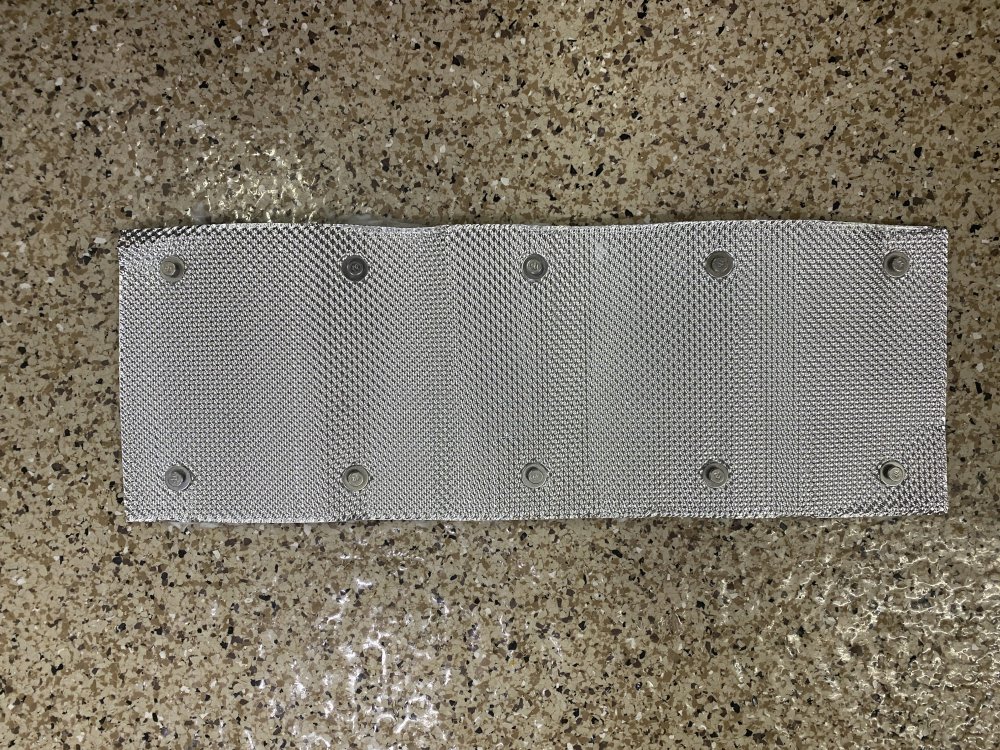
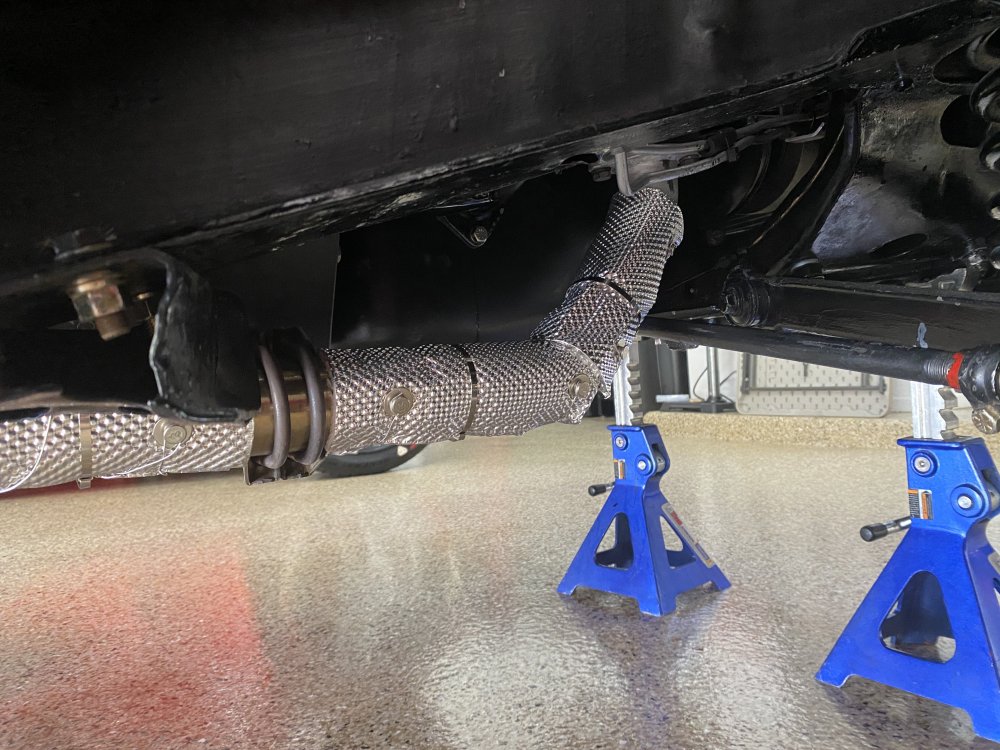
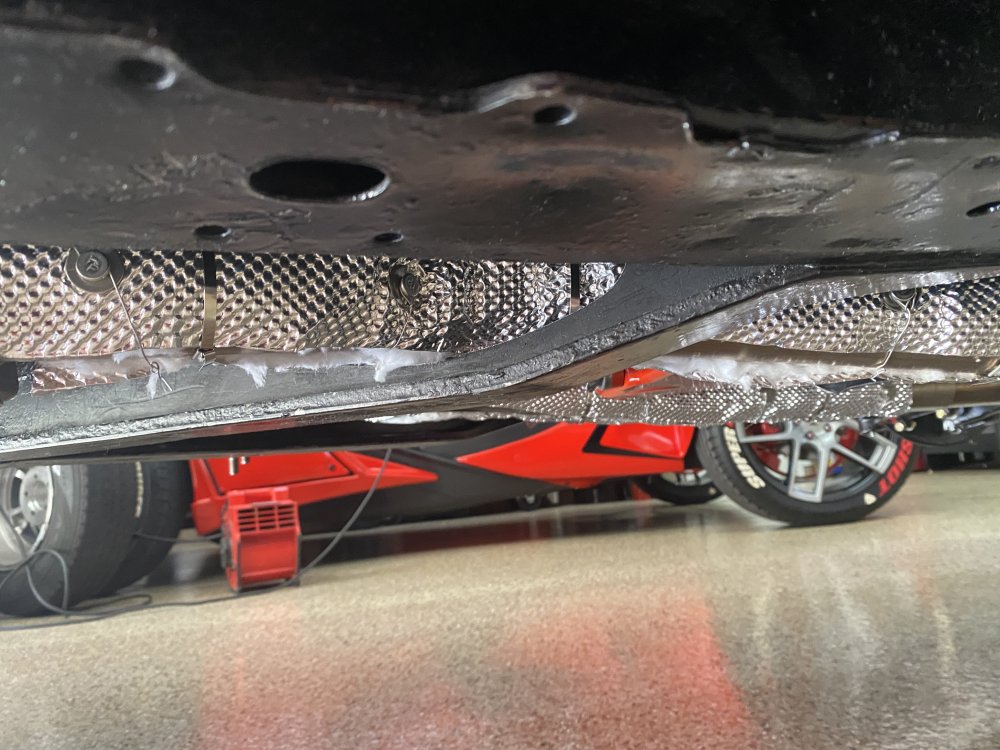
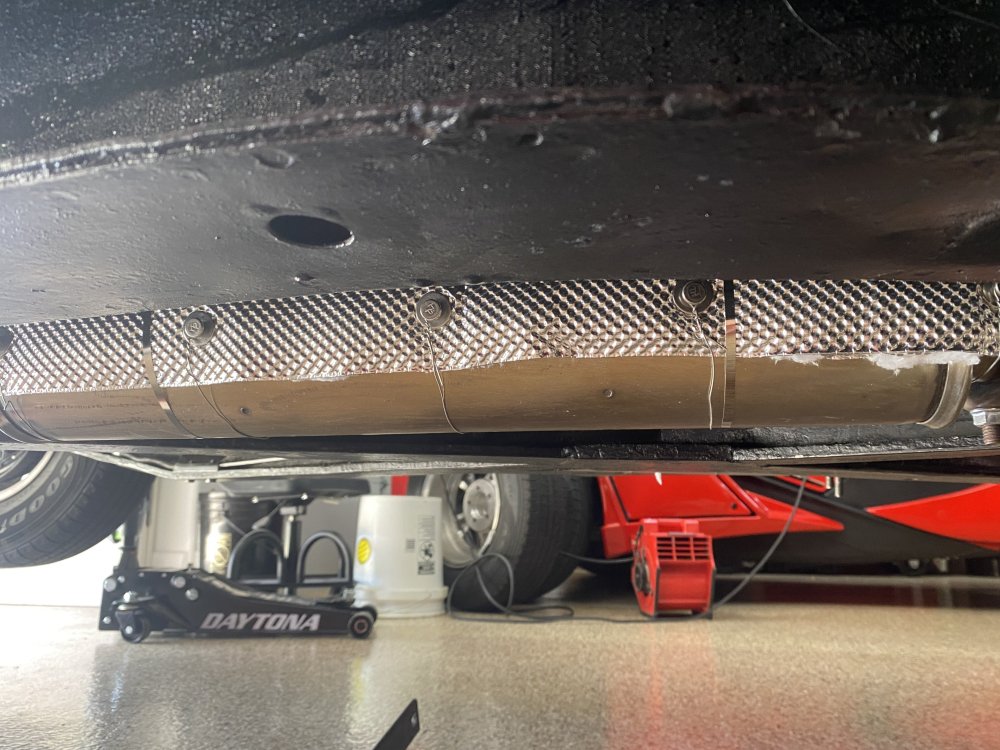
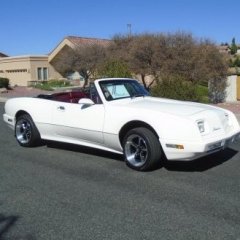
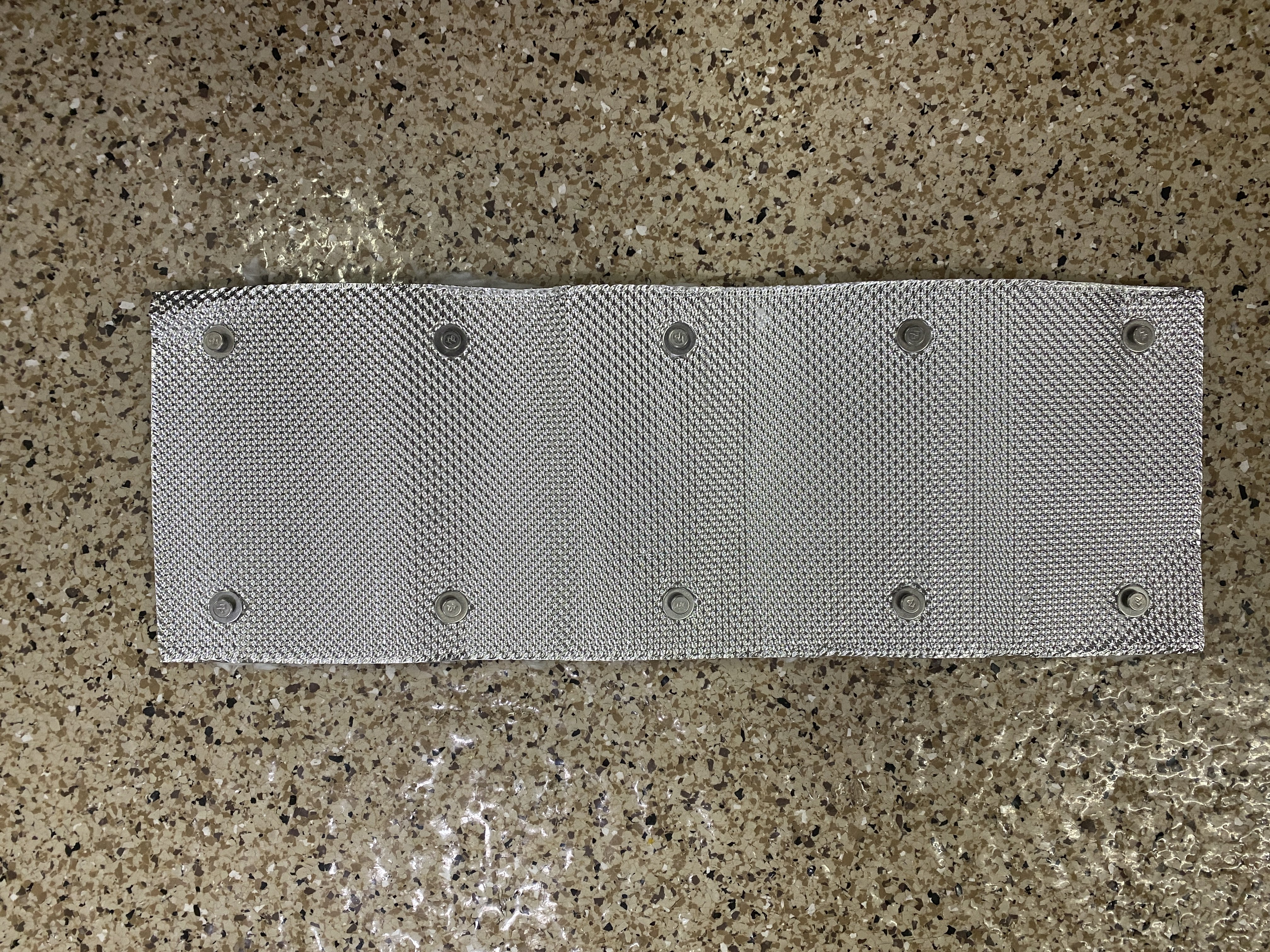
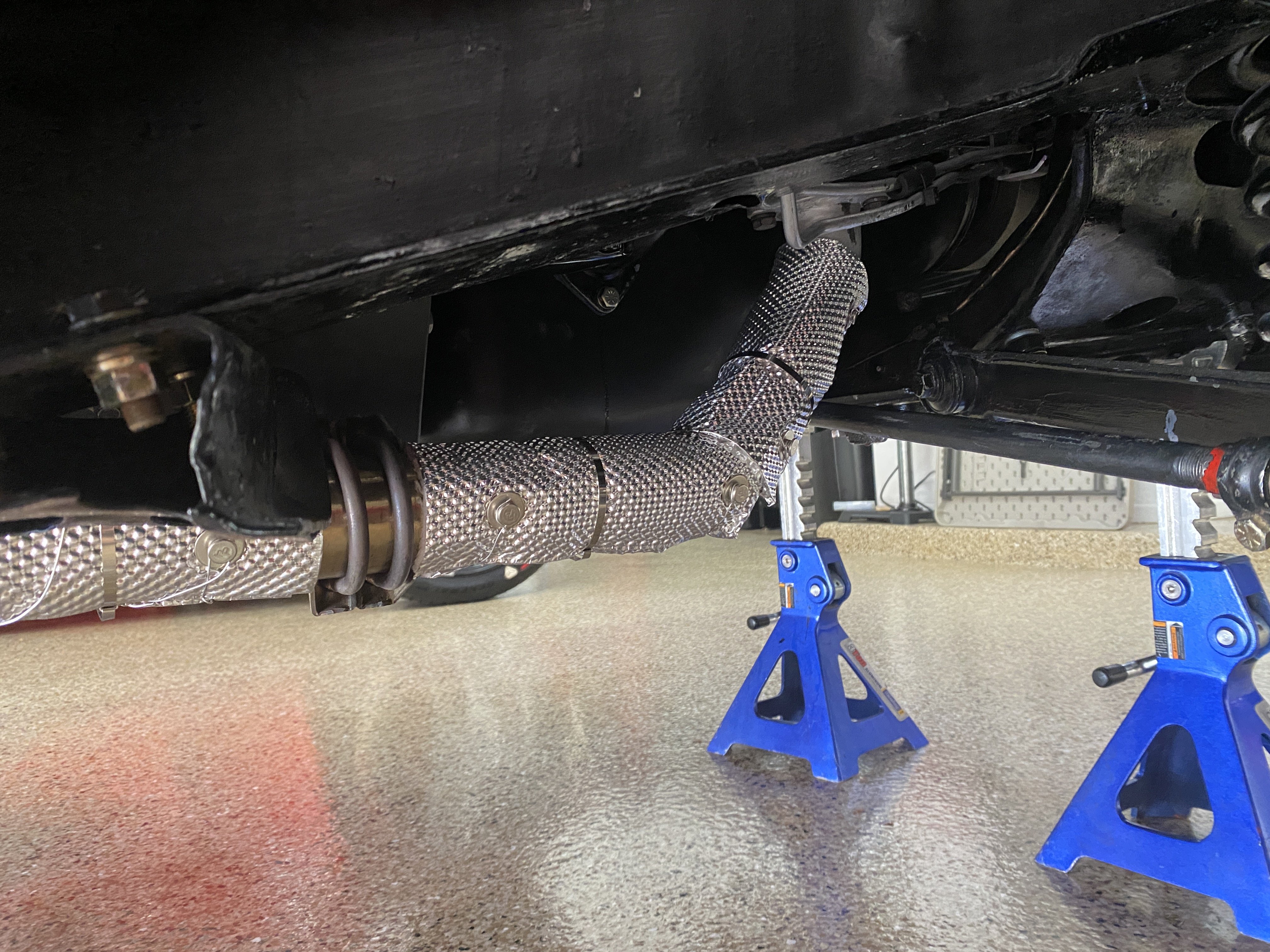
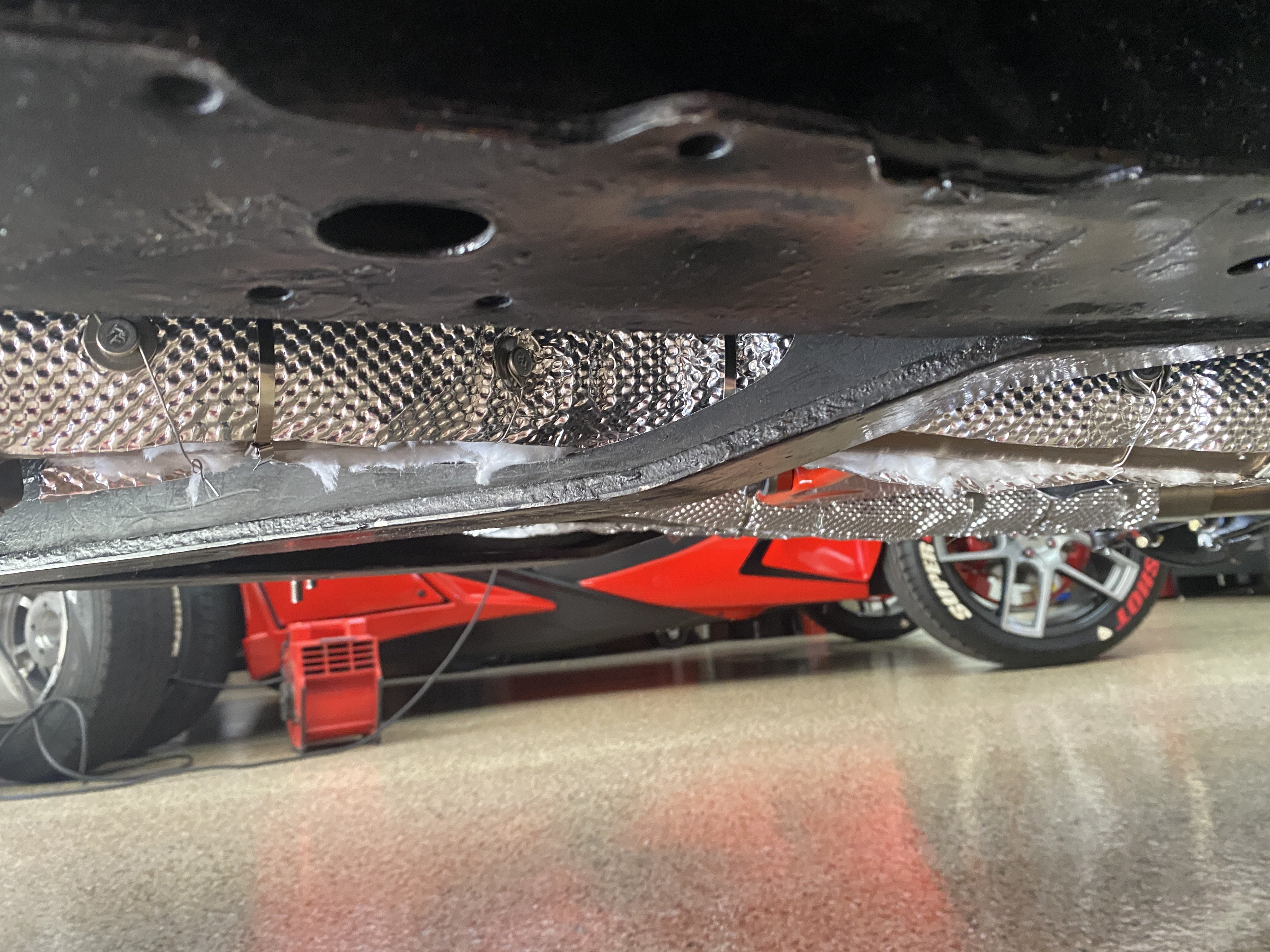
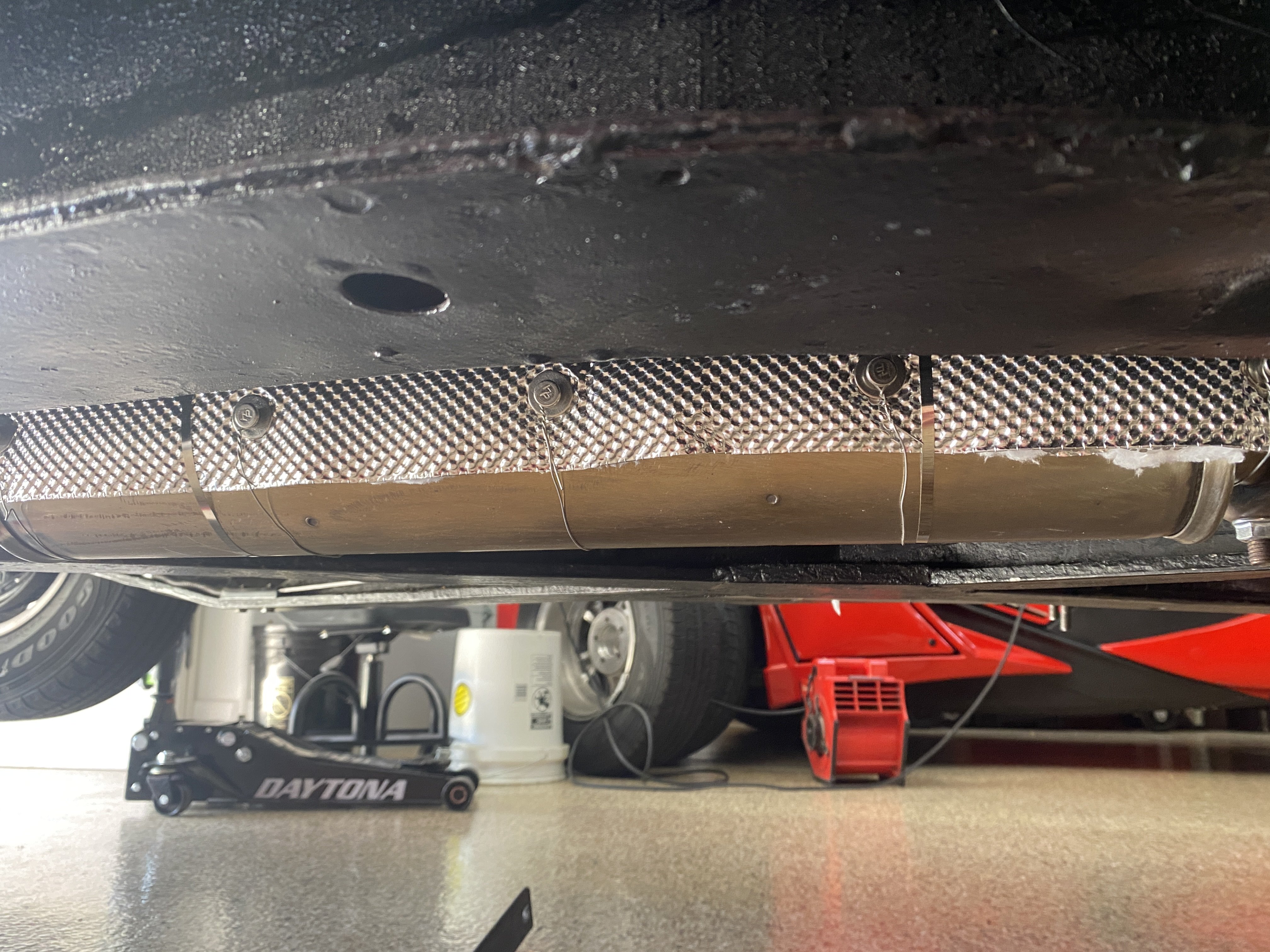
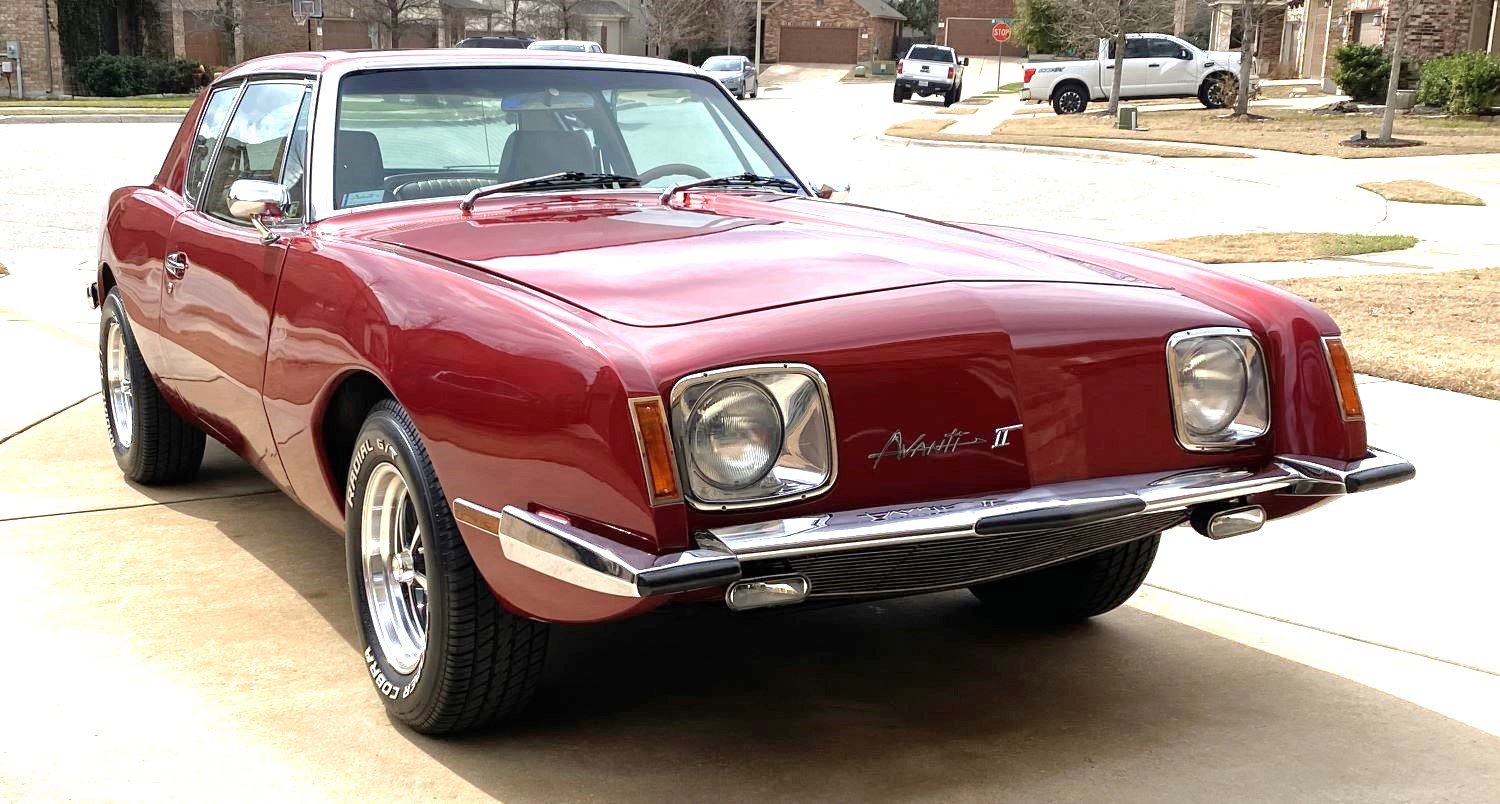
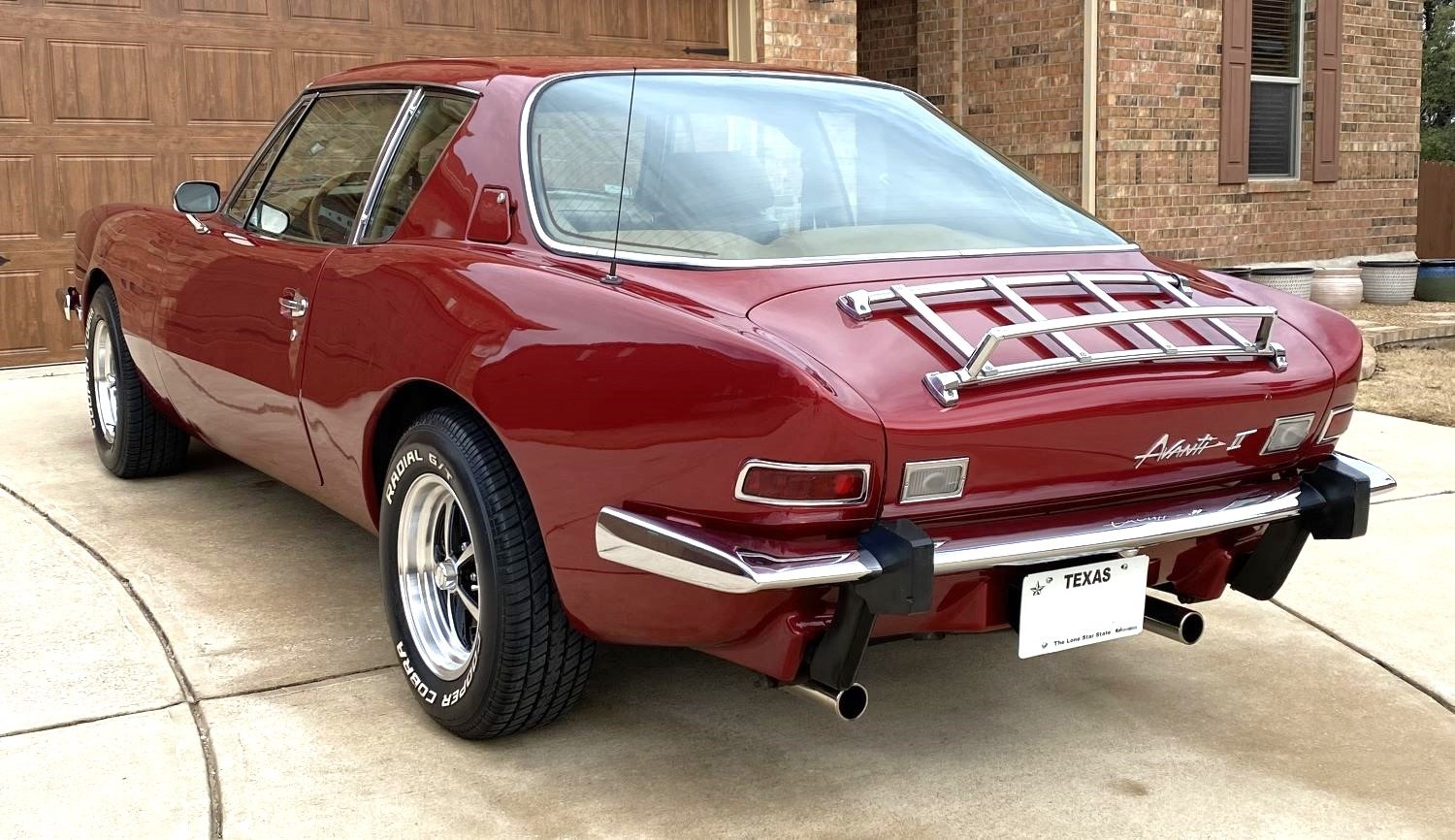
I'm doing a restoration with modifications to my 63R2. Knowing that heat is a problem with these cars plus living in Central Texas, I decided to do everything possible to reduce heat. I gutted the entire dash and interior. Next, I added self-adhesive heat/sound deadener to the entire firewall area, under the top of the dash, the kick panels, complete console area and the floorboards. All of the rubber boots at the firewall were replaced during this process. Once the new modern A/C-Heater and new but modified dash was back in, I ran the car up to operating condition to see how the heat was affected. Heat was reduced except the floorboard area above the exhaust system was still too hot. I added a second layer of mat in a small area and found that it didn't really make much difference. In doing some research, I found a company called Heatshield Products who make an exhaust wrap specifically for the problem. Their concept is to cover about 3/4 of the exhaust system, leaving the bottom open so some heat can escape as well as condensation. They sell their product in kits with various lengths and widths plus you can buy the material in sheets and cut it to what you need. I purchased the precut product in the lengths that I needed for the head pipe to the muffler, and then a larger kit for the mufflers from Summit Racing. I also bought some of their banding clamps in addition to the wire ties that come with their kits. Once installed, I ran the engine up to full operating temperature and check the floor inside the car. The floor now had an even temperature every place I checked. Lastly, I took a laser temp gun and measured the temperature of the shield and compared it to the bare exhaust pipe. There was a 80-degree average temperature reduction. I'm happy with the result. Here are a few photos.
-
 BosqueDave joined the community
 -

1966-1985 Virtual Car Show
ronmanfredi replied to ronmanfredi's topic in VIRTUAL CAR SHOW for 1966-1985 AVANTI II
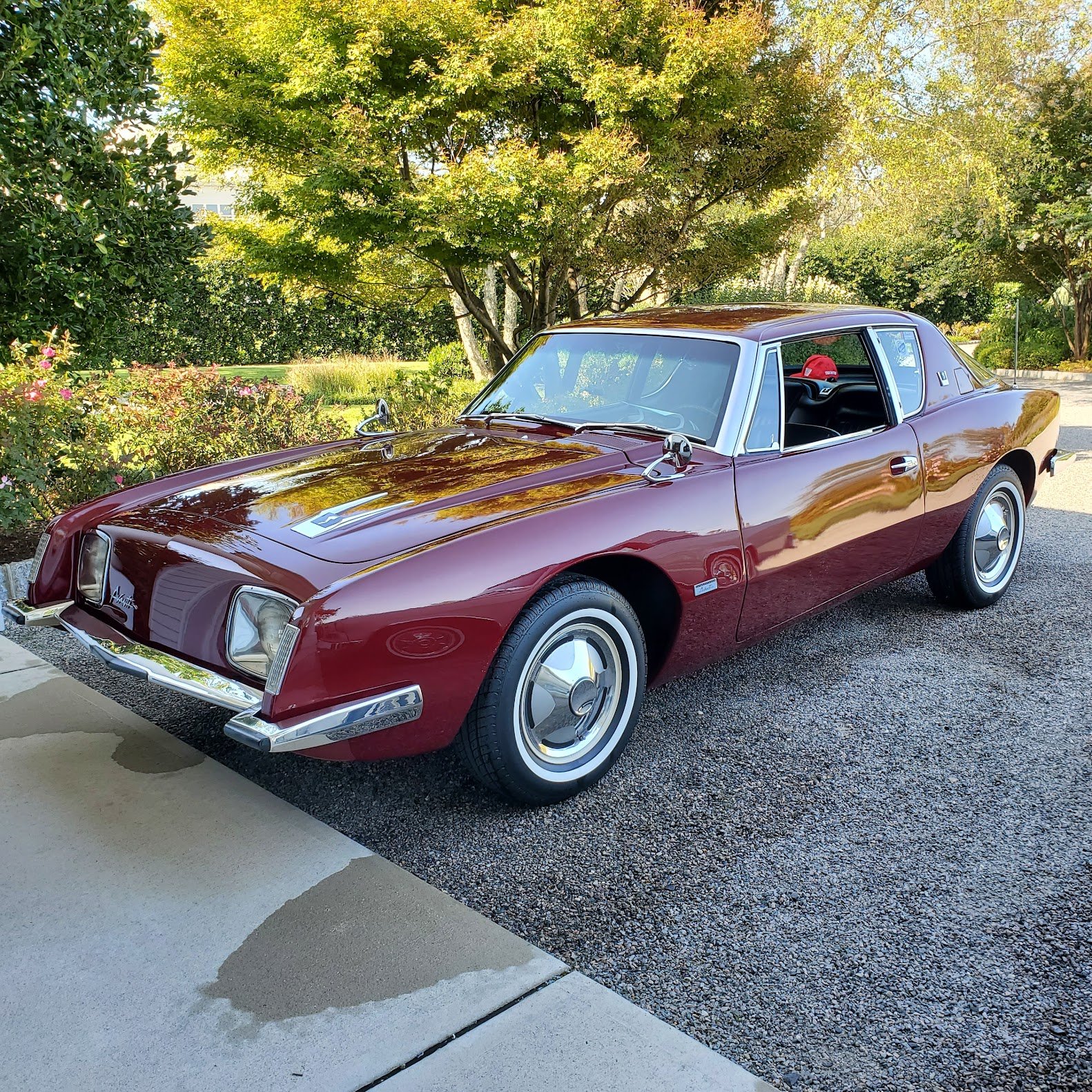
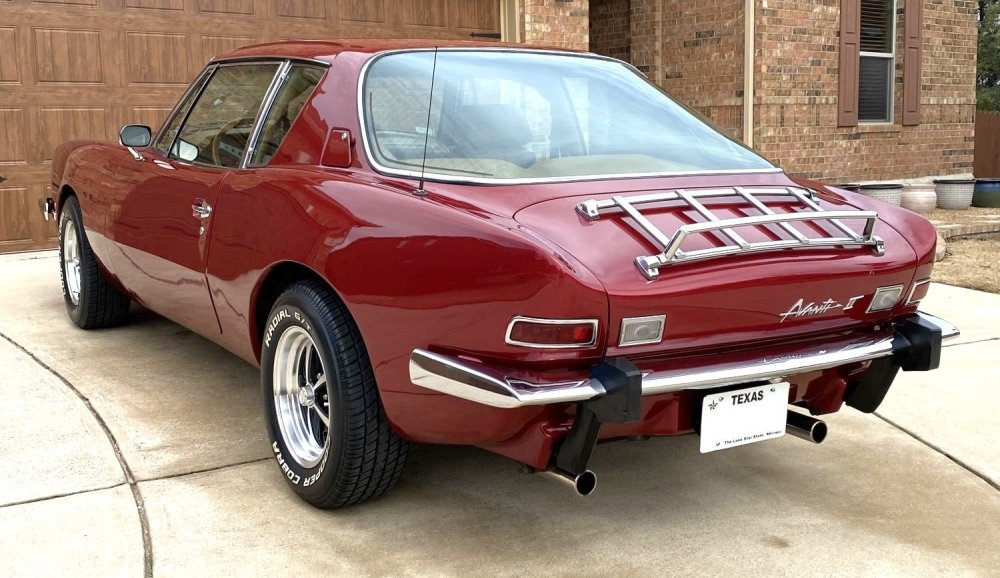
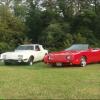
Our first Avanti, an 82 model after restoration. Put it up for sale and it sold in 7 days!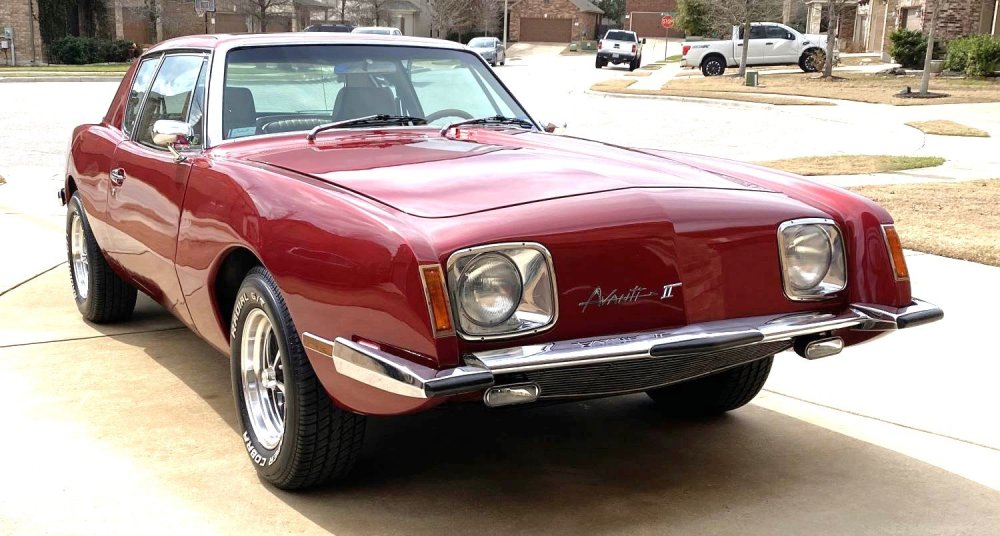
-
Long story, scary two. So, you did not drive the car after the repainting? That Is a pitty. I hope your health problems are over now, that is more important than a blistering car.
-
Thanks for sharing Bill. Very interesting.
-
RQB3263/81/305..... HERE IS MY CUP HOLDER ADAPTATION MADE FROM REAR SEAT CUP HOLDER .... sorry .... made from 2011 ram trk rear seat cup holder .... radio delete and one screw removal .... best wishes ... BTW ...3263 is for sale on Hemmings classifies .... and here .... age forces sale ...Florida ...thanks ....BILL
.thumb.jpg.83d8d69bada0d4f665d80ff40438372c.jpg)
.thumb.jpg.3fb6c07bd304beb230c13626876c1ce1.jpg)
.thumb.jpg.98a984d1ae39dd699f5d315ec6d81b41.jpg)
.thumb.jpg.e0c33bb7c4de067998f305a83d7f631b.jpg)
-
Very funny, I have the same cup Zone..though not secured as yours, I slide the lower section between the seat and arm rest between driver and passenger. Mark
-
1963-1964 Virtual Car Show
MARK replied to ronmanfredi's topic in VIRTUAL CAR SHOW for 1963-1964 AVANTI
My 1964 R2. Took MOST OUTSTANDING SPORTS CAR 1945-1965..GREENWICH CONCOURS D ELEGANCE.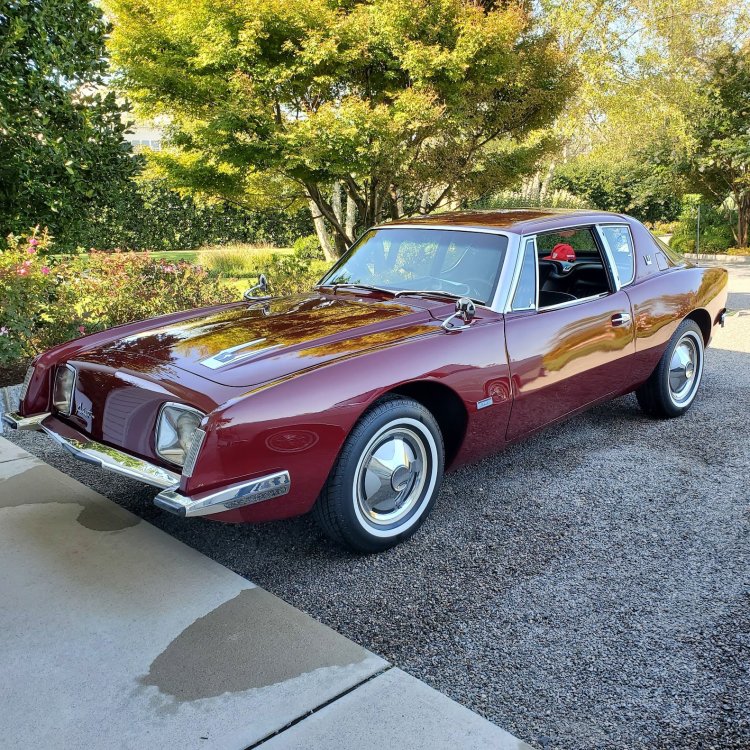
- Last week
-
I've owned this car (1970 RQA) since new and in 1993/94 started a make over. It got the full treatment, body off, with most things addressed and updated everything to late 90's equipment. 350/330 SBC, 700R4, 4 wheel disk brakes, all new interior, including a 1989 Dash that was purchased from the Youngstown factory in 1997. The paint process took over a year and the body was gone over quite a few times to assure everything was done well. Paint was PPG, 2 stage using a Lexus color. A lot of work...when it was buffed out a year later, it looked like a pool you could fall into. Pretty nice. First time in the sun after the reno was around 2001 and it was over 2 years and 4000 miles later that this blistering started. I hate to say it but I conferred with a "reputable" body shop and they agreed to fix the fender. I took the shiny bits off ( also the Paxton) and drove the car over. A week and a half goes by and I get a call about a problem with the fender. "Come over and look at this..." After I arrive, I am led through this massive place, to a corner in the rear when I see my car with the front and rear windows out and the body completely stripped of all that beautiful paint. They say they had to strip the car because of a contaminant in the bad fender. Of course they never thought to call me first. Then, they start a conversation about the paint problem isn't fixable and the only way to resolve the issue is to put a "new" front clip on the car. They know where there's a "donor car" and it can be done pretty quickly.....Like " Really??!!" it sounds like it smells... There's a bit more to this but I'll make it short. After three weeks of pressing this issue, I told then to put it on a roll back and deliver it, back to my house. After a while, it was back in my garage, where it sat for 10 years while I made attempts to clear the fender of the stain that caused the blistering. It was evasive, in that you could wash it off with lacquer thinner and sit back for 5 minutes and watch it bloom back. It looked like an oil stain but never expanded farther than the Dside headlight opening and there was no issue with the original paint when this renovation was started. I had two other car toys to keep me busy and couldn't stay on top of this continuously, so occasionally I would mix up a batch of cleaning agents, brush it on a 12" square, cover it with saran wrap and let it work to see what effect it would have. I didn't know what I was dealing with but suspected silicone brake fluid. A couple years earlier in the renovation had installed a 4 wheel disk brake system (1998) and had to try a few different masters to get the pedal right. It was using an aluminum master from a Corvette and the bump in the road was to find a reservoir that bolted flat vs the up-angle on the GM stuff. I found a solution with 2 individual reservoirs that fit and moved onto the next stage. Looked and worked fine and I could not see any leaks, but if there was a leak and that stuff was flung around the engine bay by the fan of a hot running engine, it could have contaminated that side of the body. I found no evidence of that happening, however, so whatever caused this is a mystery. The car was finally repainted around 2014, but by then I was having health issues and couldn't put the effort into it as before. It's been my "ship in a bottle" since then and still hasn't left the garage.
-
Bummer! Did you do something about that?







.jpg.edf83fc16625a2b17b4f79a0db140006.jpg)
.jpg.8a4085f81ade45fc47628a5fbb9a35a9.jpg)
.jpg.eadf5d4e752d714cb8454f14b5303e2f.jpg)
.jpg.9a34d711f0d7c0300bb0b7079b60f53d.jpg)