All Activity
- Past hour
-
Years ago I stripped a '63 Avanti with paint remover down to bare fiberglass. I then parked it outside in the rain and hot sun for more than a month. I had already washed the body with a lot of lacquer thinner. As I recall my procedure was based on the advice of experts. I then sprayed the primer and did the bondo work on the seams. A body shop sprayed the urethane. To this day the paint is perfect. It has been garaged, however. Another Avanti locally that was stripped down to bare fiberglass (by someone else) has not fared so well. It has sat in the sun and quite a bit of its paint has bubbled or pealed off.
-
Perhaps, four, then? The gold in the center was eliminated, the indented black ring around the center was added, the five fake vents (also indented) near the periphery were added, and the indented silver areas (5) were added. BTW, the shape of those indented silver areas is sweet - not just a simple curve. I wonder who designed the wheel covers. Also BTW I prefer the Avanti wheel covers without the silver paint. With the black areas, but no silver.
-
Hi Kodjo….. I no longer have that letter, however, it’s point was… Water absorbed into the fiberglass from water sanding operations will eventually expand under the new paint when continually subjected to warm temperatures (sun). The factory suggested the repairer do his utmost to make sure the (fiberglass) is completely dry.
- Today
-
I have these blisters and would love to read Studebaker Service letter W-1963-1. Can somebody send me a picture of this letter please? more on my unfortunate paint issues here:
-
I understand what you mean Dwight. What I’m looking for here are the amount of modifications which needed to be done on the original 1954 (or late ‘53) Stude full wheelcover to produce the 1963 Avanti wheelcover…. Perhaps asking how many stamping operations were required to accomplish this was a step in the wrong direction.
-
That could be it. We painted the car during the winter. An hour before painting the booth was probably around freezing temp. We did heat the paint booth up to barely 68° Fahrenheit before we started painting. So, the body itself would still be somewhere between freezing and 68° Fahrenheit. Might be to cold and damp might have build up and is still under the paint?
-
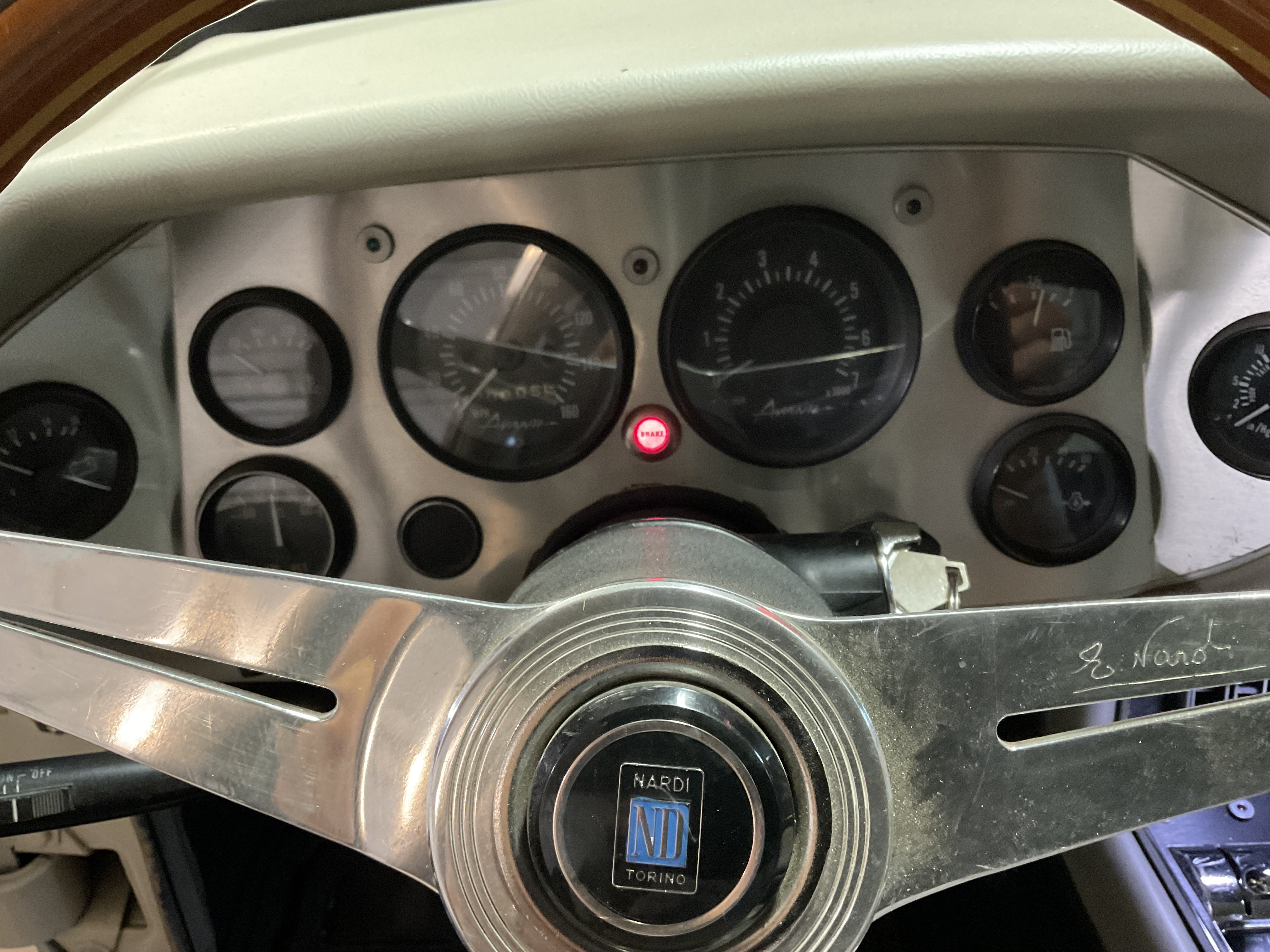
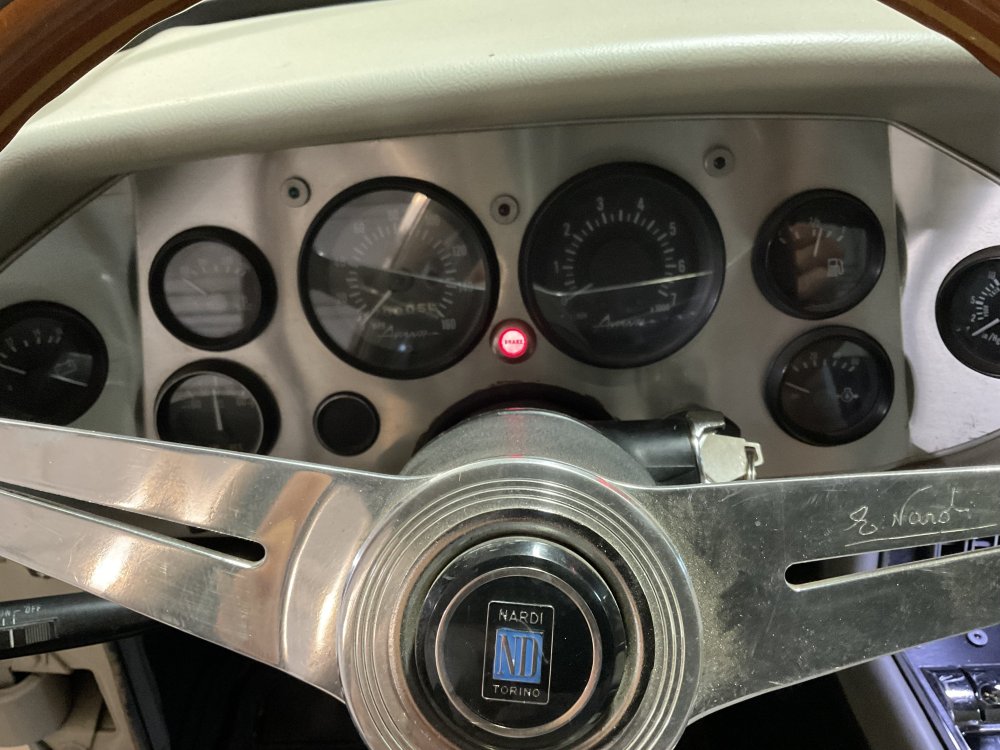
So the light is for the emergency brake and some type of brake malfunction or it could just be a bad connection?
-
Beautiful car. The interior looks awesome
-
Thanks for that info.
-
I'm not quite sure what the question is. I assume that there were no leftover late-53--55 wheel covers to re-stamp. So, a new piece of stainless steel sheet was stamped into a correct Avanti wheel cover with a modified late-53--55 die. I also assume that the three modifications were machined into the new (Avanti) dies. But, it may have taken more than one strike to fully form all the curves in the Avanti wheel cover (just as it may have taken more tan one strike on the late-53--55 wheel cover).
-
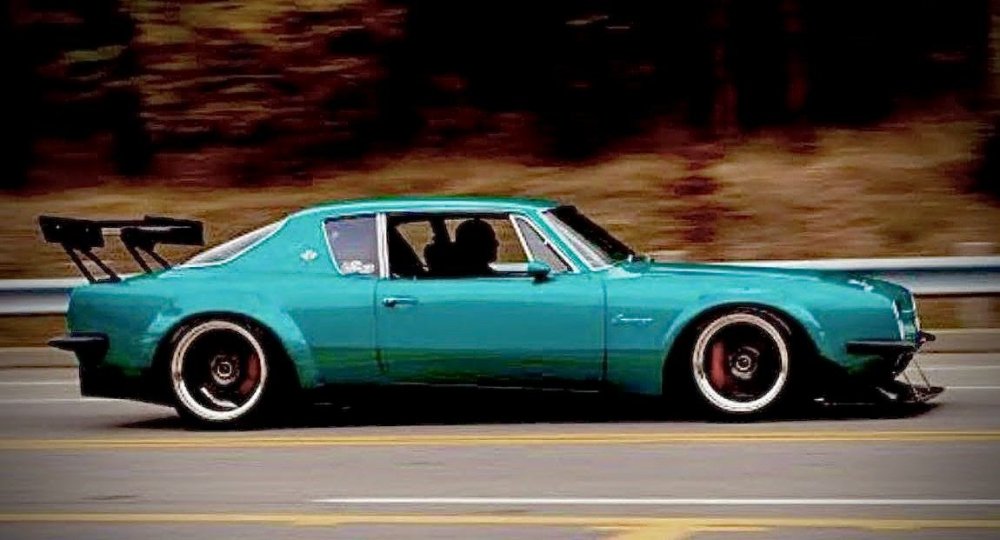
Nah.. I like the Down'y way. Before After..
-
Yes, a lot of truth in this... I made a ramp outside the garage and would roll the car onto it and bake it in the summer sun. Skin temps would get upwards of 190 farenheit. A wash with lacquer thinner and a bake, repeat, repeat. I can attribute this to the one day I saw the car had a dry spot and it got better from there...
-
I owned a plastic media blasting company and stripped many (about 9) Corvettes that had been chemicaly stripped and then painted. Over the years I probably stripped 30 vettes, but only some were in for paint failures of some reason. Areas of the raw fiberglass absorbed some amount of the chemical and laid dormant for some time. Then when the car was heated as in sitting out in the sun at a car show bubbles would appear in and under the paint. They looked very much like what these photos are showing. I think somewhere in this cars past a chemical was used and got into the fiberglass. A PPG paint rep once told me that if a chemical process was going to be used on a fiberglas car, once the car was bare, it should be put into the paint booth and baked at the highest temp possible to off gas and bake the fiberglass dry before any sanding or priming should begin.
- Yesterday
-
Always really liked the turquoise & fawn!
-
Ard, if you wanted to go in the other direction, 1951 or 1952 Studebaker front spindles would work fine….I guess you could say those weren’t ‘dropped’ spindles, they were ‘upd’ spindles!!
-
Sorry not 3 Dwight……(I skipped to the 1954 wheelcover to rule out the 1953 mid year change when the ‘tri-bars’ were eliminated)
-
Interesting. I have a friend who's Business is Stock Car Suspensions.. I'm sure He can come up with a solution.
-
When I purchased my 1976 Avanti II the attachments for the front seat belts were completely missing. The carpet has been recently replaced and I suspect the PO just forgot to reinstall the floor mounted attachments for the front belts. That was likely 3-4 PO ago.....The inertial reels are in place in the rear seat side area as are the attaching points on the door pillar. I purchased some new 1976 Camaro belts, but I dont think they will attach quite correctly. Does anyone have photos of where the seat belt attaching points are in the front and what they look like?? Is there some GM model that has better seat belt attaching style and fitment? I can't figure where the attaching point is on the outer side near the door jam. I see he inner side hole is there but is 90 degrees off of the GM attaching point. Do you need a 90 degree adapter? Any idea of the hole thread size/bolt sizes? Help!
-
Good question! I’ll will try. im afraid it is osmosis a chemical reaction. We will see.
-
DobbM, sorry to be so slow, but I was gone without access to my pics. Here's the interior.
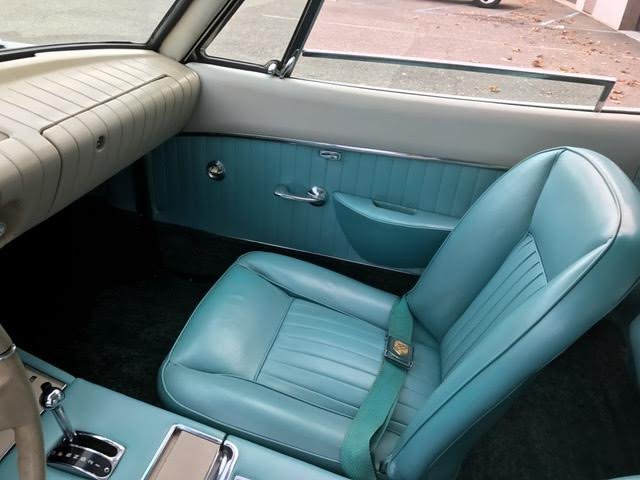
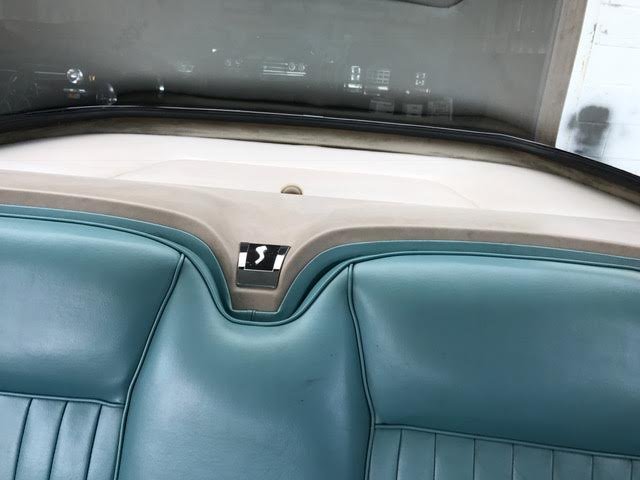
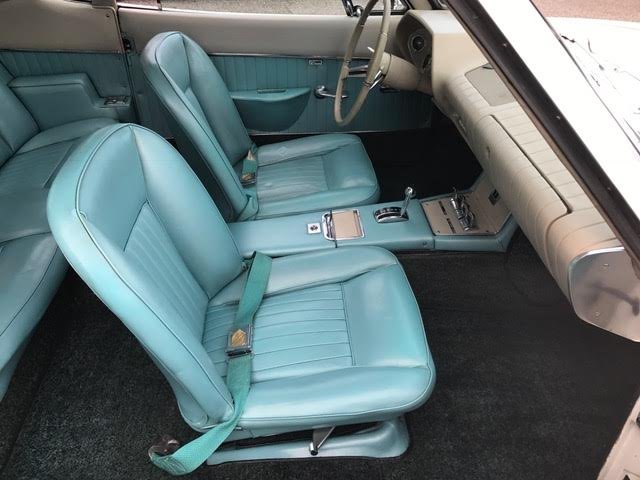
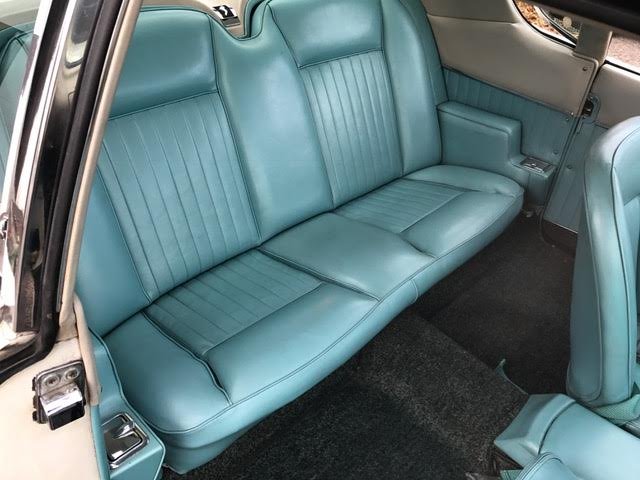
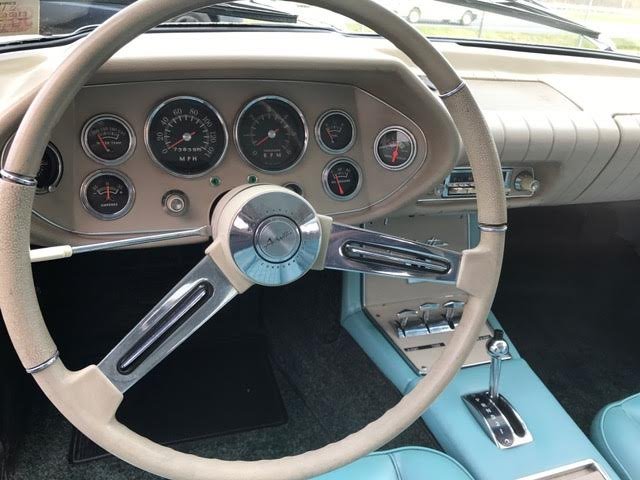
-
3) Three. One for each change in the original '53 wheel cover.
-
Yes, service letter W-1963-1 dated Jan 16, 1963.
-
PS…I’m pretty sure that back in ‘63 Studebaker issued a dealer service letter concerning itself with Avanti paint refinishing… It mentioned allowing the bare fiberglass to dry thoroughly if it was exposed to moisture, before any priming, etc.
-
Some chemical has been absorbed into the fiberglass and is working its way to the surface to evaporate...and can't de to the paint. As it leaches to the surface gas bubbles form between it and the paint and what you see is the result of that. Why I mentioned silicone before is due to silicone being a prime suspect in that regard. If someone used car wax with silicone in it at some point in its life could be the cause. If there were thin spots or bare spots in the prior paint the silicone could have been absorbed into the fiberglass. Remember the paint disaster Steve Blake had with Avantis after he made a body and paint change...he blamed it on the paint process which was only partly true. His changes to the body panels to save man-hours in building the Avanti bodies required far more curing time for the body than previous fiberglass did...which was probably unknown to Blake as no testing was done to determine compatibility between the new body panels and new paint process. It was simply assumed the new process would work as the original did. As body chemicals leached to the surface they could evaporate as they were trapped between the body and paint...and the result put Blake under. I can't say for sure what the cure to the problem is as we don't know exactly what compounds are in the fiberglass trying to reaching the surface and evaporate are. Im guessing it would take a complete removal of the paint and allowing the 'glass to cure for some unknown length of time before re-painting.
-
Fiberglass isn’t paint friendly…. More than a few Corvettes and Avanti’s have had first class paint jobs applied, and then several months later, especially if the car is left outside in the sun, this can happen. I believe bubbles such as this are caused by moisture working its way up and out of the fiberglass.